It’s a surprisingly common lament: the feeling that no matter how much you declutter, your closet still overflows. You might be staring at a space that feels more like a black hole for textiles than a functional storage area. But what if we’ve been approaching our storage challenges with the wrong mindset? What if the secret to taming the closet chaos in smaller living spaces isn’t about acquiring more stuff, but about fundamentally reimagining how we use the space we have? The world of small space closet solutions is less about shoving things in and more about strategic spatial engineering.
Think about it for a moment. Many of us treat our closets as mere containers, a place to stash items out of sight. But a truly optimized closet acts more like a carefully curated system, a miniature architecture designed specifically for your belongings. It’s about asking not “Where can I put this?” but “How can this item best be stored to be accessible and preserve the integrity of my space?” This shift in perspective is, in my experience, the first and most crucial step towards achieving closet zen, even in the most compact of dwellings.
The Vertical Frontier: Reaching for New Heights
When we talk about small spaces, the horizontal plane is often where our minds go first – how to fit more on the shelves. But have you truly considered the untapped potential of the vertical space within your closet? This is where some of the most ingenious small space closet solutions begin to emerge.
Think of your closet as a tall, narrow room. Most standard closets have a single hanging rod and perhaps one or two shelves. This leaves a significant amount of unused air above and below.
Double Hanging Rods: This is a classic for a reason. Installing a second rod, perhaps a lower one for shirts and folded pants, instantly doubles your hanging capacity for shorter items. It’s surprisingly effective for maximizing space with minimal effort.
High Shelving for Less-Used Items: Utilize the uppermost reaches of your closet for seasonal clothing, extra bedding, or luggage. Use sturdy bins or boxes to keep these items dust-free and organized. A simple stepladder becomes your best friend here.
Vertical Shoe Organizers: Forget messy shoe piles on the floor. Hanging shoe organizers, whether they’re fabric pockets or rigid compartments, can neatly store multiple pairs, freeing up precious floor space. I’ve found these to be a game-changer for keeping footwear tidy and accessible.
Beyond the Hanger: Creative Folding and Storage Tactics
Hangers are essential, of course, but they aren’t the only way to store your garments. Exploring alternative storage methods can unlock surprising efficiencies and prevent the dreaded “closet slump” where clothes become a wrinkled mess.
Consider the physics of your wardrobe. A well-folded garment often takes up less space and is less prone to creasing than a haphazardly hung item. It’s a subtle art, but one that pays dividends in a small closet.
The KonMari Method (or variations): While the entire philosophy might be a commitment, the core principle of vertical folding for drawers and shelves is incredibly effective for maximizing visibility and space. Items are stored upright, like files in a cabinet, allowing you to see everything at a glance.
Shelf Dividers: These are surprisingly powerful tools. They prevent stacked items from toppling over and can create distinct zones on your shelves, making it easier to manage folded clothes, bags, or accessories.
Drawer Inserts and Bins: For smaller items like socks, underwear, or scarves, drawer inserts or small bins are indispensable. They compartmentalize and prevent items from becoming a jumbled mess.
Doors as Valuable Real Estate: The Unsung Heroes
When we think about small space closet solutions, we often focus on what goes inside. But have you ever paused to consider the potential of the closet door itself? This often-overlooked surface can be transformed into a highly functional storage area.
The back of a closet door is prime real estate that’s just begging to be utilized. It’s the perfect place for frequently accessed items or those that don’t necessarily need to be hidden away completely.
Over-the-Door Organizers: These come in myriad forms – from shoe organizers with multiple pockets to specialized racks for accessories like belts, ties, or even small handbags. They’re incredibly easy to install and can significantly boost your storage capacity without taking up any internal closet space.
Hooks and Pegs: A few well-placed hooks can be surprisingly versatile. Hang robes, hats, tote bags, or even frequently worn jackets. This keeps items off the floor and easily accessible.
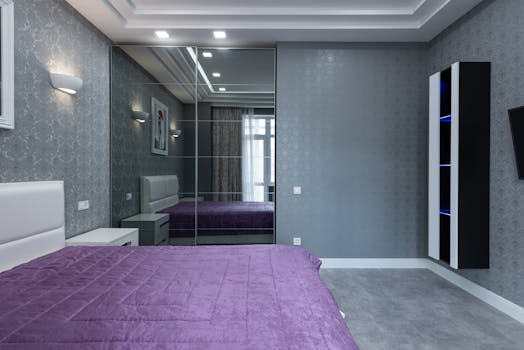
Mirror Integration: Many over-the-door solutions incorporate a full-length mirror. This serves a dual purpose: checking your outfit and enhancing the sense of space in a small room by reflecting light.
The Power of Smart Accessories: Tools for Optimization
Beyond the larger structural changes, a plethora of clever accessories can elevate your closet organization from functional to phenomenal. These are the unsung heroes of small space closet solutions, the small details that make a big difference.
It’s about making every inch work harder for you. Think of these as your secret weapons in the battle against clutter.
Slimline Hangers: These velvet or slim plastic hangers take up significantly less space on your rod than bulky wooden or plastic ones. You can often fit 30-5 slimline hangers where you’d previously fit only 10-15 standard ones. This is a surprisingly impactful change.
Cascading Hangers: These allow you to hang multiple garments vertically from a single hanger, perfect for things like pants, skirts, or even dresses of similar weight. They’re a great way to maximize hanging rod space.
Drawer Dividers and Small Bins: As mentioned before, these are critical for keeping smaller items organized and preventing them from getting lost in larger drawers or bins. Think socks, underwear, scarves, or even jewelry.
Rethinking Your Relationship with Your Wardrobe
Ultimately, effective small space closet solutions are not just about physical storage; they’re about a conscious relationship with our belongings. They prompt us to ask deeper questions: Do I truly need all of these items? Are they stored in a way that serves me and my lifestyle?
The pursuit of an organized closet in a small space is an ongoing conversation, not a one-time fix. It requires periodic assessment and a willingness to adapt as our needs and possessions change. By embracing a mindset of strategic maximization, utilizing vertical space, rethinking our use of doors, and investing in smart accessories, we can transform even the most modest closet into a well-ordered sanctuary. It’s about creating a system that supports not just our clothes, but our peace of mind.
Final Thoughts: The Evolving Art of Compact Living
Transforming a small closet from a source of frustration into a functional asset is entirely achievable. It’s not about magic tricks, but about intelligent design and a willingness to explore. We’ve delved into the power of vertical space, the efficiency of smart folding, the underutilized potential of closet doors, and the impact of simple accessories. Each element plays a role in creating a harmonious and practical storage system. Remember, the goal isn’t just to fit more in, but to make your belongings more accessible, less wrinkled, and to create a sense of calm within your living space. The journey to a perfectly organized small closet is one of continuous refinement, and with these strategies, you’re well-equipped to embark on it.